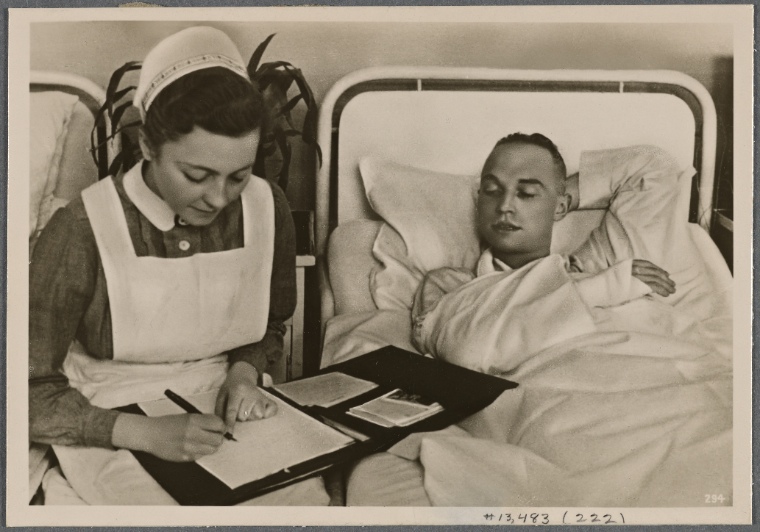
Ethnography in nursing research involves stepping into the clinical environment. It requires looking closely at how care is delivered in each moment. This includes person-to-person interactions within a specific workplace culture. Ethnography focuses on behaviours, language, workflow, and relationships. It helps uncover hidden factors that influence patient safety. It also impacts teamwork, communication, and the patient experience. It’s particularly helpful when problems are complex or depend on context. These issues are often shaped by culture. Examples include why protocols aren’t followed consistently, how handover really works, and what “good care” means in a particular unit.
Key points to include in your blog post
- What it is: A qualitative methodology that studies people and cultures in real-world settings.
- What it looks like in nursing: Researchers spend time in clinical environments observing practice, taking field notes, and often interviewing staff/patients and reviewing artefacts (policies, charts, handover tools).
- What it’s good for: Understanding workplace culture, team dynamics, communication patterns, safety behaviours, informal roles, and how context shapes decision-making.
- What it can reveal: The “why” behind practice gaps—e.g., why an evidence-based guideline is difficult to implement during high workload, or how hierarchy affects speaking up.
- Common data sources:
- Participant observation (overt, and ethically managed)
- Informal conversations and interviews
- Field notes (including reflections)
- Documents and artefacts (protocols, signage, handover sheets)
- Outputs: “Thick description” (rich detail), themes about culture and practice, and often a practical explanation of how systems really operate.
- Strengths: High real-world relevance; captures complexity; highlights context and meaning; supports implementation and service redesign.
- Challenges: Time-intensive; requires reflexivity (researcher influence); ethical/privacy considerations; managing consent in busy clinical spaces.
Nursing example
An ethnographic study in a ward might observe handover practices across shifts and interview nurses about decision-making, revealing how workload, interruptions, and hierarchy shape what information gets prioritised—and where safety risks creep in.
Quick takeaway
Ethnography helps nursing researchers understand the culture of care, not just the outcomes—so improvements can fit the reality of clinical work.
Ethnography is a methodology concerned with “studying people in their cultural context and how their behaviour, either as individuals or as part of a group, is influenced by this cultural context. Ethnography is a form of social research and has much in common with other forms of qualitative enquiry”
— Draper (2015)
Take a look at principles of ethography and the design and methods sections of the below publications to understand ethnography and its research characteristics.
Resources
De Chesnay, M. (Ed.). (2014). Nursing research using ethnography: qualitative designs and methods in nursing. Springer Publishing Company.
Draper, J. (2015). Ethnography: Principles, practice and potential. Nursing Standard, 29(36), 36-41.
Ahlstedt, C., Lindvall, C. E., Holmström, I. K., & Athlin, Å. M. (2019). What makes registered nurses remain in work? An ethnographic study. International journal of nursing studies, 89, 32-38.
Kelley, R., Godfrey, M., & Young, J. (2021). Knowledge exchanges and decision-making within hospital dementia care triads: An ethnographic study. The Gerontologist, 61(6), 954-964.
Redaelli, I. (2018). Nontechnical skills of the operating theatre circulating nurse: an ethnographic study. Journal of advanced nursing, 74(12), 2851-2859.
 Nursing Education Network
Leave a Reply