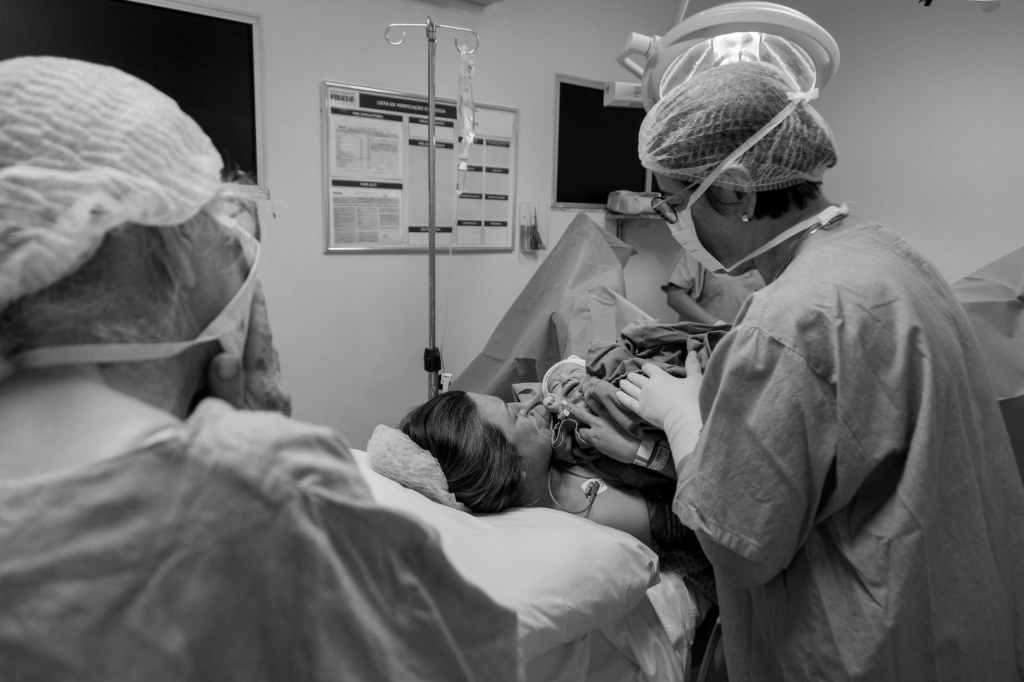
Background:
The clinical debrief may be apporoached in the clinical setting for a variety of reasons, and maybe routine (pro-active) or prompted (reactive), often driven by a clinical or critical incident. But what approach to debriefing in the clinical setting, where time contstraints, continued clinical demands, variable shift patterns provide a challenge to delivering clinical debriefing in a planned and/or structured manner.
This systematic review on Clinical Debriefing framework, contextualises the factors in clinical debriefing.
Resource:
Paxino, J., Szabo, R. A., Marshall, S., Story, D., & Molloy, E. (2023). What and when to debrief: a scoping review examining interprofessional clinical debriefing. BMJ Quality & Safety [abstract or via ResearchGate].
Practical Clinical Setting Questions:
- Is clinical debriefing more a pro-active or reactive approach in your work envrionment?
- Is the debriefing oftern more when things go wrong, what about when things go right and successful outcomes are achieved?
- Do you believe there is a ‘best’ or ‘ideal’ approach to debreifing in the clinical work envrionment, if compared to debriefing in a training or simulation situation?

 Nursing Education Network
Leave a Reply